
The Most Important Holiday
Tet Nguyen Dan — simply called "Tet" — is Vietnam's biggest, most important, and most joyful celebration. Falling on the same day as Chinese New Year (late January or February), Tet is a time when the entire country pauses. Factories close, cities empty, and millions of people travel home to be with their families.

For travelers, Tet offers a rare window into Vietnamese family life and culture. But it also requires careful planning — many businesses close for a week or more, transport is booked solid, and prices rise sharply. Understanding what to expect makes the difference between a frustrating experience and a magical one.
Traditions and Customs
The Preparations
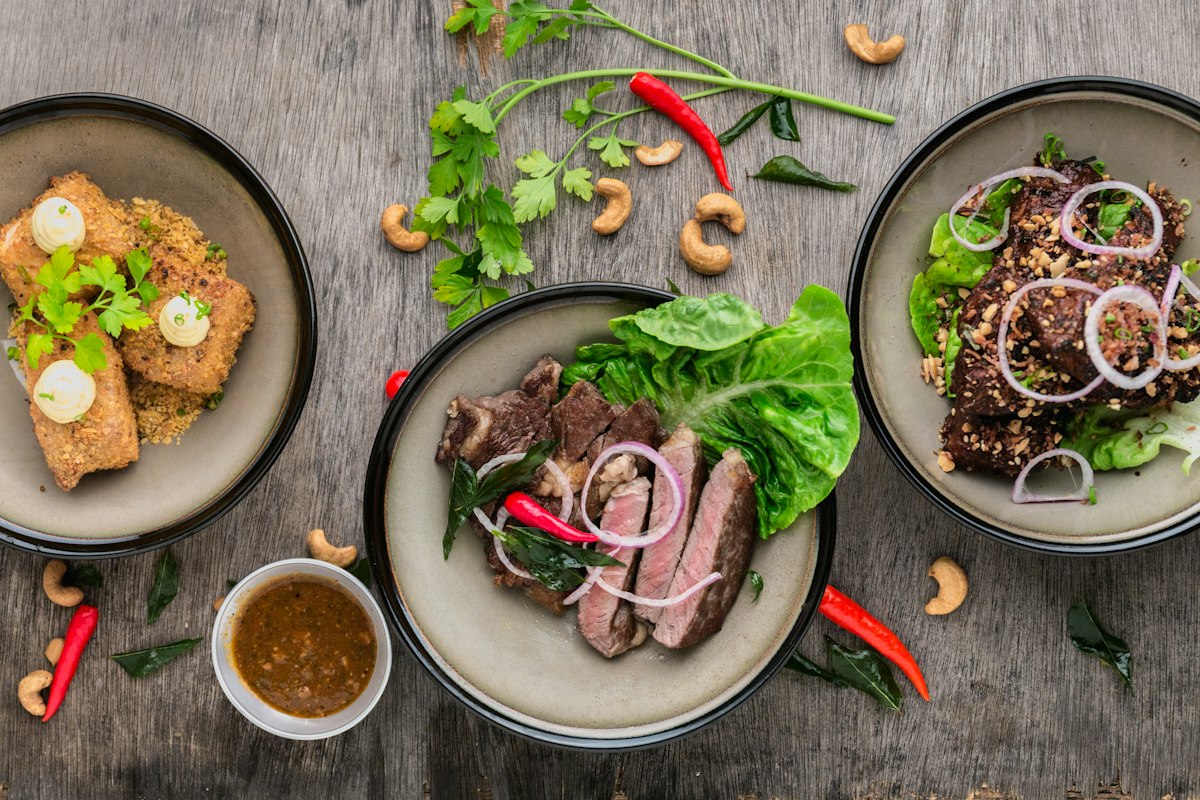
Weeks before Tet, the energy shifts. Houses are cleaned from top to bottom (sweeping away bad luck), debts are settled, and families shop for flowers, food, and new clothes. The last day of the old year is spent cooking traditional dishes, especially banh chung — sticky rice cakes wrapped in banana leaves.
Giao Thua (New Year's Eve)
At midnight, fireworks erupt over every city. Families gather for the "crossing of the year" ceremony, burning incense and inviting ancestors to join the celebration. The first person to enter the house after midnight (xong dat) is believed to determine the family's fortune for the entire year.
The First Three Days
Day 1 is for the immediate family. Day 2 is for visiting the father's side of the family and close friends. Day 3 is for teachers and the mother's side. Children receive red envelopes (li xi) filled with money — a symbol of luck and prosperity.
Experiencing Tet as a Traveler
- Flower markets: Visit Hanoi's Quang Ba or HCMC's Nguyen Hue flower street before Tet Eve
- Temple visits: Join locals at pagodas for New Year prayers — the atmosphere is electric
- Food: Look for banh chung, mut (candied fruits), and special Tet cookies
- Be patient: Many restaurants and shops close for 3–7 days. Stock up on essentials
- Book early: Transport and accommodation prices double during Tet week