
A Living Museum
Step into Hoi An's Ancient Town and you step back in time. This UNESCO World Heritage Site is one of the best-preserved trading ports in Southeast Asia, with roots stretching back to the 15th century. Japanese, Chinese, and European merchants once walked these same narrow streets, and their architectural legacy remains remarkably intact.

But Hoi An is no museum frozen in glass. It's a living, breathing town where families have occupied the same merchant houses for generations, where tailors still cut fabric by hand, and where the aroma of cao lau and white rose dumplings drifts from every alleyway.
The Architecture
Japanese Covered Bridge
Built in the 1590s by the Japanese trading community, this iconic bridge connects the Japanese and Chinese quarters. The small temple inside is dedicated to the Taoist god of weather, and the bridge's design — with monkey statues on one end and dog statues on the other — reflects the years of construction.
Chinese Assembly Halls
Five ornate assembly halls built by Chinese merchant communities from Fujian, Guangdong, Hainan, Chaozhou, and a combined hall. Each features intricate dragon carvings, incense coils, and altars to Thien Hau, the goddess of the sea who protected traders on their voyages.


The Food of Hoi An
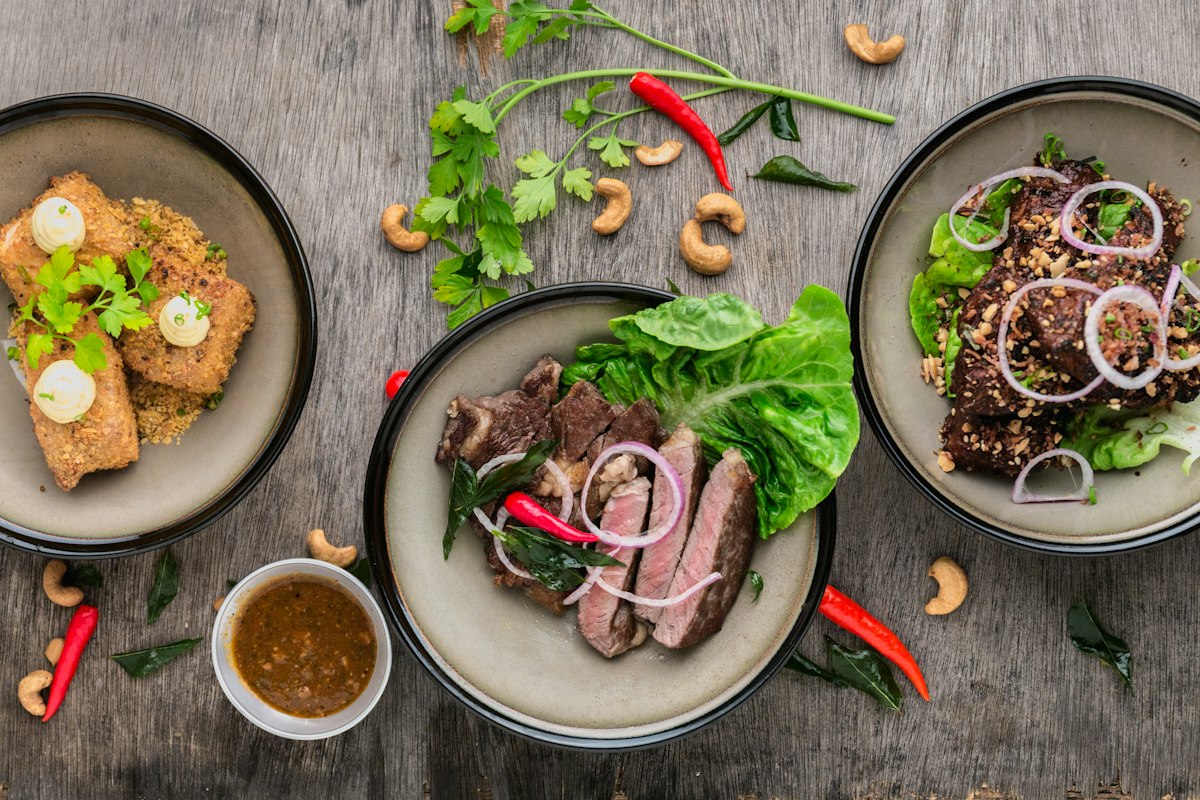
Hoi An has its own distinct cuisine found nowhere else in Vietnam:
- Cao Lau: Thick rice noodles with pork, herbs, and crispy croutons — the water must come from a specific well
- Banh Mi: Hoi An's version is considered the best in Vietnam — try Banh Mi Phuong
- White Rose (Banh Bao Banh Vac): Delicate shrimp dumplings made by only one family in town
- Com Ga: Chicken rice with turmeric — Hoi An's answer to Hainanese chicken rice

Practical Tips
- Best time: February–May (dry season)
- Getting there: Fly to Da Nang, then 30-minute drive south
- Old Town ticket: 120,000 VND (~$5) for 5 attraction entries
- Tailoring: Allow 2–3 days for custom clothes fitting
- Cycling: Rent a bicycle — it's the best way to explore