
Understanding Vietnam's Climate
Vietnam stretches over 1,650 kilometers from north to south, creating vastly different climates across its regions. There is no single "best time" to visit — it depends entirely on where you want to go and what you want to experience. The country can be visited year-round if you plan your itinerary around the weather patterns.

Month-by-Month Breakdown
January – February: Cool North, Warm South
The north experiences its coolest months, with temperatures in Hanoi dropping to 10–15°C. Sapa may see frost or even snow at higher elevations. The south is dry and pleasant — perfect beach weather in Phu Quoc and Mui Ne. This period overlaps with Tet (Lunar New Year), Vietnam's biggest holiday.
Tet is a magical time to visit Vietnam — the entire country transforms with flowers, decorations, and family celebrations. But expect closures and crowded transport.
March – May: The Sweet Spot
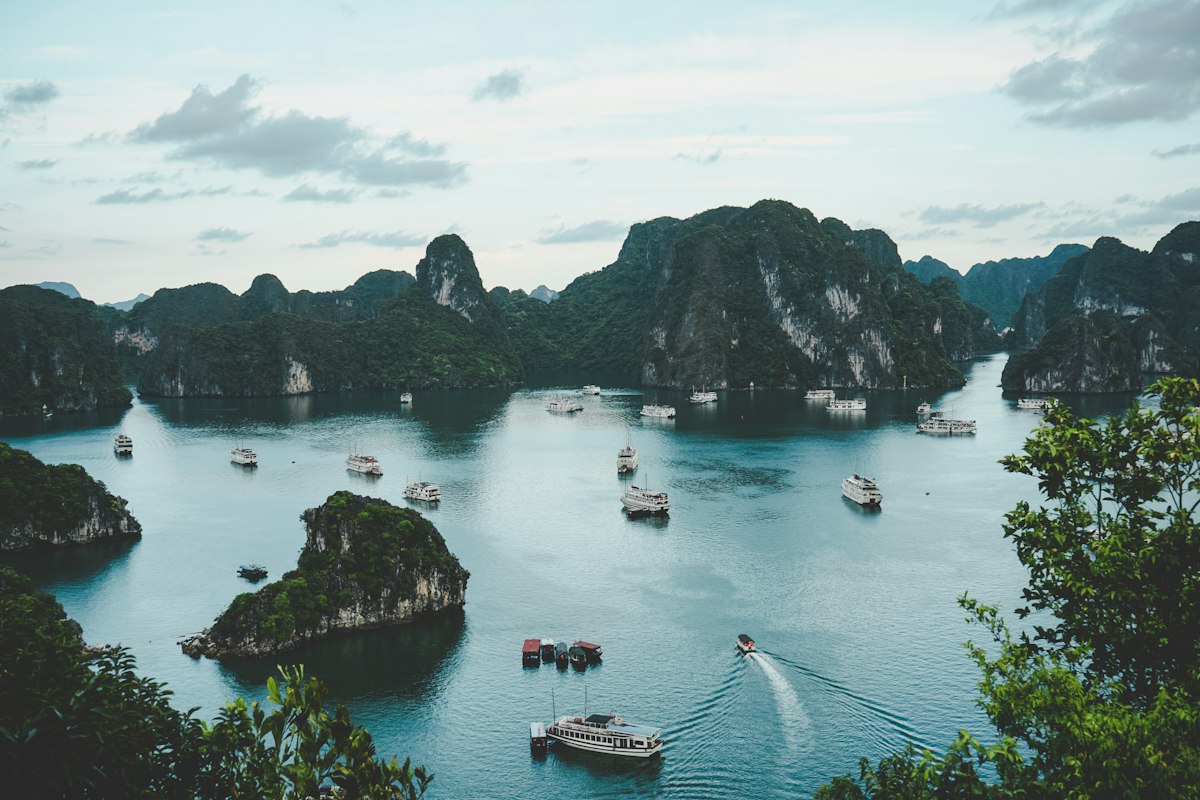
Arguably the best time for a comprehensive Vietnam trip. The north warms up beautifully, Central Vietnam is dry and sunny, and the south hasn't yet hit peak humidity. Ha Long Bay, Sapa, Hoi An, and the beaches are all at their best.
June – August: Monsoon Season Begins
The monsoon brings heavy rainfall to the north and south, but Central Vietnam remains relatively dry. This is peak season for the Central Coast beaches. The north's rice terraces in Sapa turn an incredible emerald green — one of the most photogenic times to visit.


September – November: Golden Season
The north's rice terraces turn golden before harvest — this is the single most photogenic period in all of Vietnam. Ha Giang's buckwheat flowers bloom in purple carpets. The weather cools across the country and rain starts to ease.
December: Cool and Festive
December brings cool, crisp weather to the north and the tail end of the rainy season in Central Vietnam. Dalat's pine forests are stunning, and the south is dry and warm. It's an excellent time for Ho Chi Minh City and the Mekong Delta.

Quick Reference Guide
- Best overall: March–May or September–November
- Best for beaches: February–May (Central Coast), November–April (South)
- Best for trekking: September–November (Sapa, Ha Giang)
- Best for culture: January–February (Tet celebrations)
- Avoid: October–November for Central Vietnam (typhoon season)