
Ha Long Bay Without the Sea
Ninh Binh province, just 90 kilometers south of Hanoi, offers a landscape so surreal it has earned the nickname "Ha Long Bay on land." Massive karst limestone formations rise abruptly from emerald rice paddies, creating a scene that feels almost prehistoric. If Ha Long Bay is Vietnam's ocean wonder, Ninh Binh is its terrestrial twin.

Despite being a UNESCO World Heritage Site and one of Vietnam's most photogenic destinations, Ninh Binh sees a fraction of the visitors that Ha Long Bay attracts. This means quieter boat rides, uncrowded viewpoints, and a more intimate connection with the landscape.
The Highlights
Tam Coc — Three Caves
The signature Ninh Binh experience. A two-hour sampan ride along the Ngo Dong River takes you through three natural caves carved into the limestone mountains. The boats are rowed by local women — often using their feet — as the river meanders through rice paddies flanked by towering karsts.
Trang An — The UNESCO Complex
A larger, more developed boat route that passes through caves, temples, and multiple waterways. The 2.5-hour circuit includes stops at ancient temples nestled at the base of the karsts. This is where scenes from "Kong: Skull Island" were filmed.
Mua Cave (Hang Mua)
The ultimate viewpoint. A steep climb of 500 stone steps leads to a dragon statue perched atop a karst peak, offering a 360-degree panorama over Tam Coc, the river, and the surrounding mountains. Come at sunrise or sunset for the best light.


Bai Dinh Pagoda
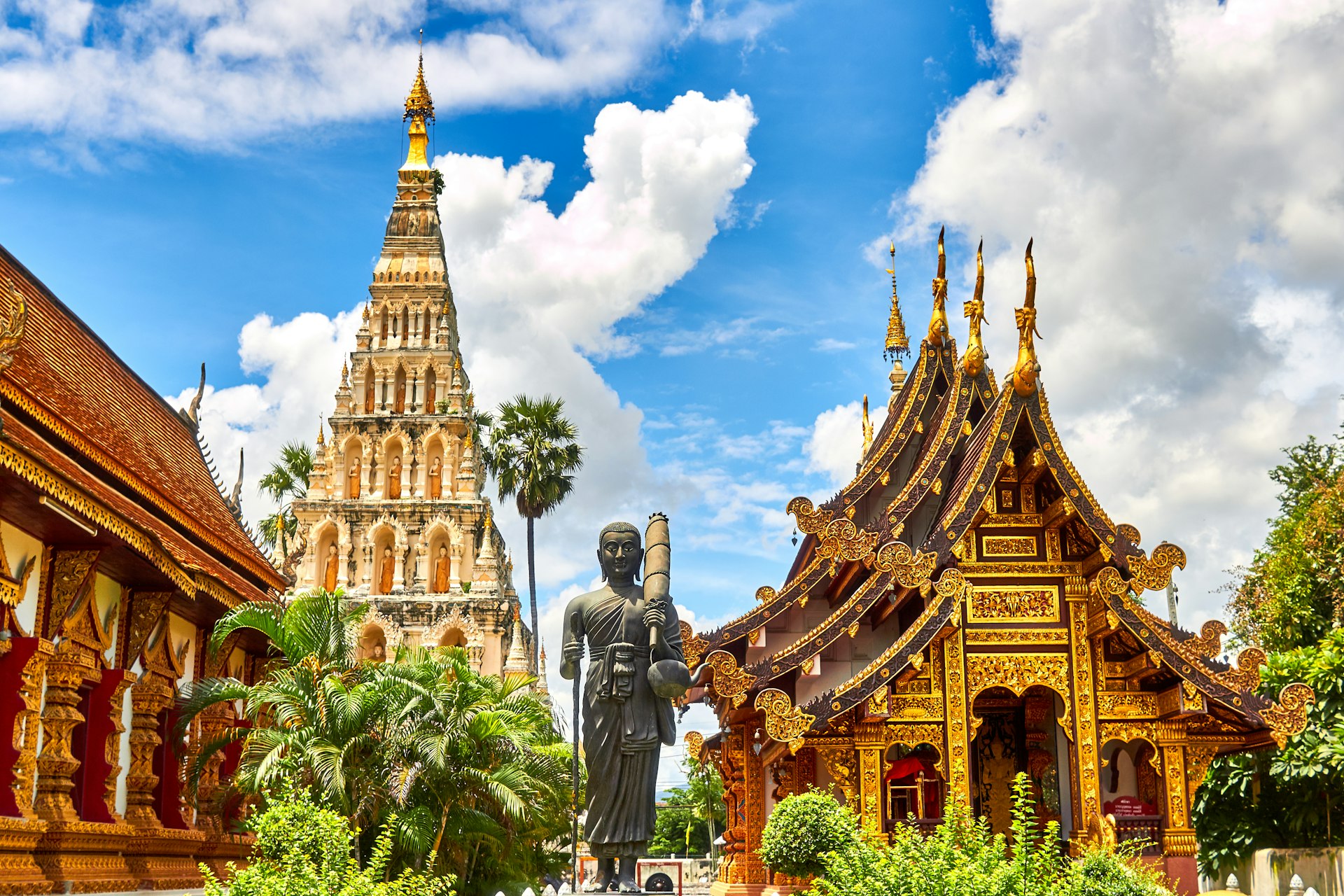
The largest Buddhist temple complex in Southeast Asia, with over 500 stone statues of arhats lining the corridors. The temple occupies an entire mountainside and includes a 10-meter bronze Buddha weighing 100 tons.
Practical Tips
- Day trip or overnight: Possible as a day trip from Hanoi, but an overnight stay allows a more relaxed pace
- Best time: May–June (golden rice before harvest) or September–October (green rice season)
- Getting there: 2-hour bus from Hanoi, or hire a private car ($40–60 round trip)
- Cycling: Rent a bicycle and ride between Tam Coc, Bich Dong pagoda, and the countryside
- Sunrise at Mua Cave: Arrive at 5:30 AM for the most spectacular light and no crowds