BESTSELLER: Sapa Trekking Adventure - Book Now!
Banh Mi
Da Nang

Coastal Gateway

Da Nang: Vietnam's Coastal Gateway

Da Nang is Vietnam's most liveable city and a perfect base for exploring Central Vietnam. With pristine beaches stretching for miles, the mystical Marble Mountains rising from the coastal plain, and the fantastical Ba Na Hills resort in the nearby highlands, Da Nang offers something for everyone. The city is famous for its impressive bridges, especially the fire-breathing Dragon Bridge, and serves as a gateway to both Hoi An and the imperial city of Hue. Modern resorts, excellent seafood, and friendly locals make this a must-visit destination.

Google Reviews

4.9
Read all reviews

Recommended trips to Da Nang

Small group trips, thoughtful itineraries, quality guides and experiences confirmed by client reviews.

Contact our specialists

We're happy to answer all your questions and help you choose

BMT

Banh Mi Escape Travel

All destinations

+84 966 680 323

info@banh-mi-escape.com

View all contacts
Nguyen Thi Mai

Nguyen Thi Mai

Vietnam specialist

+84 966 680 323

mai@banh-mi-escape.com

Contact
Tran Van Minh

Tran Van Minh

Adventure specialist

+84 966 680 323

minh@banh-mi-escape.com

Contact
Meet the full team for Da Nang

Popular inspirations in Da Nang

Discover unique experiences and adventures waiting for you.

Get inspired

Watch our videos and become part of the adventure.

Weather

Best time to visit: February to August is ideal, with dry sunny weather perfect for beaches and sightseeing. March-April offers pleasant temperatures (24-28°C). Avoid October-November monsoon season with heavy rains.

Climate: Da Nang enjoys a tropical monsoon climate. Summer (May-August): Hot and dry, 30-35°C, perfect for beaches. Spring (Feb-April): Mild 24-28°C, low humidity. Rainy season (Sep-Dec): Heavy downpours, occasional typhoons. Pack light clothes, sunscreen, and a rain jacket for shoulder seasons.

Best months to visit this destination

Best
Good
Off-season

Current weather in Da Nang for selected month

Active month: May

<p>Da Nang enjoys a tropical climate with two main seasons. February to May offers the most balanced weather for combining beach time, city exploration and day trips. Summer (June-August) is hot and ideal for the beach but more intense for sightseeing. September to November is the wettest period. The Han River and coastal breezes keep the city pleasant even in warmer months.</p>

Air temperature

30 °C

Water temperature

28 °C

Where to go in Da Nang

Discover the most beautiful places and must-see destinations.

Da Nang - Photo 1
1/4

Discover Da Nang

Wake up on My Khe Beach, explore the Marble Mountains, ride over Hai Van Pass, and watch the Dragon Bridge breathe fire. Da Nang is central Vietnam at its most vibrant.

Plan Your Trip
Central Vietnam Travel Expert

Central Vietnam Travel Expert

Da Nang is at its best early in the morning on the beach and in the evening by the Han River. Use it as a base for central Vietnam and you will understand why so many people love this city.

FAQ & Useful tips

E-visa available for most nationalities (90 days). Visa on arrival also possible with pre-approval letter.
ICT (UTC+7). No daylight saving time.
220V/50Hz. Type A, C, and F plugs. Bring universal adapter.
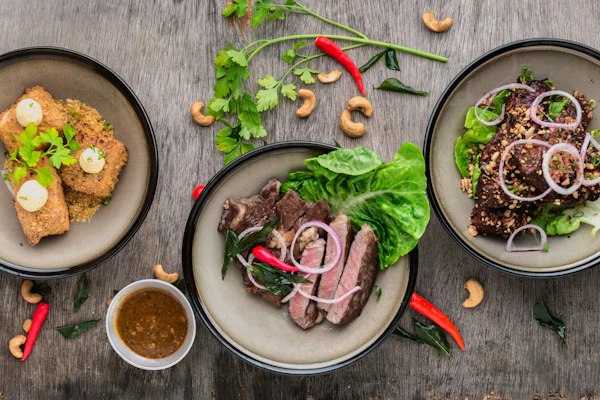
Da Nang's cuisine reflects its coastal location and Central Vietnamese heritage. The city is famous for Mi Quang - turmeric-infused noodles with pork, shrimp, and herbs served with crispy rice crackers. Banh Xeo, the sizzling savory crepes filled with pork and bean sprouts, are exceptionally crispy here. Seafood is king in Da Nang. Visit the night markets for fresh grilled squid, mantis shrimp, and oysters at unbeatable prices. Bun Cha Ca features fish cake noodle soup unique to the region, while Banh Trang Cuon offers DIY rice paper rolls with grilled pork. Don't miss the local specialty Com Ga (chicken rice) in the Hoi An style, and cool down with Che - sweet dessert soups available in countless varieties from the street vendors along the Han River.
From boutique hotels in historic buildings to beachfront resorts and traditional homestays, we help you find the perfect accommodation for your style.
Vietnamese Dong (VND). Cards accepted at hotels and restaurants. ATMs widely available.
Vietnamese. English spoken in tourist areas, hotels, and restaurants.
Hepatitis A and Typhoid recommended. Ensure routine vaccinations are up to date.
For most travellers, the best period is February to May. This is usually the easiest season for combining beach time, city exploring and day trips without the stronger summer heat or the wetter months later in the year. Vietnamese travel guides consistently treat spring as Da Nang’s most balanced season.
Summer is beach season in the most obvious way: bright mornings, strong sun, busier coastline and a more energetic city rhythm built around the sea. It can still work very well, but your day usually needs a better structure — beach or outdoor time early, slower lunch and café hours later, then the river or the coast again in the evening.
From around September onward, the weather becomes less reliable and the coast stops being the obvious centre of the trip every day. Da Nang still works because it is an easy city, but it becomes less of a classic beach destination and more of a comfortable base with indoor cafés, shorter outings and flexible plans.
Yes, but not in the same way all year. In the drier months it is a beach-and-excursions city. In the wetter months it is more of a comfortable central Vietnam base with easier urban living than many other stops in the region. That is one reason it works so well for mixed itineraries.
For most travellers, the strongest base is around My Khe Beach / the coastal side of the city. It gives you the most balanced version of Da Nang: easy beach access, modern hotels, cafés, seafood, and still a short ride to the river and city centre.
Stay by the beach if you want a holiday feel, morning sea walks and easier access to resorts and modern cafés. Stay closer to the Han River if you care more about city evenings, bridge views and a slightly more urban rhythm. For first-time visitors, the beach side is usually the easier answer.
Yes — very much. That is one of its biggest strengths. Da Nang makes it easy to combine Hoi An, Hue, Hai Van Pass, Ba Na Hills, Marble Mountains and beach time without changing hotels too often.
For Da Nang itself, 2 to 3 days is usually enough. Longer stays make sense if you are also using it as a base for nearby places or if your trip is designed more around beach time and slower city days than around nonstop movement.
It can do both, but it is stronger as a proper stay or base than as a rushed one-night stop. Da Nang is not a city with one overwhelming landmark; it works through balance — sea, river, bridges, nearby mountains, food and easy day trips.
A strong first-time list includes My Khe Beach, Son Tra Peninsula, Marble Mountains, the Han River / Dragon Bridge area, and at least one outing beyond the city such as Hai Van Pass, Hoi An or Ba Na Hills depending on your style.
If you want the short version: sunrise or early morning on the beach, Marble Mountains, one evening by the Han River, and one trip outside the city. Those four pieces explain Da Nang much better than trying to over-visit small attractions in the city centre.
Yes. They are one of the strongest compact experiences in Da Nang because they combine caves, pagodas, views and a very central Vietnam sense of landscape and spirituality in one relatively manageable stop.
Son Tra is best for coastal scenery, viewpoints, temples and a wilder edge to the city. It is one of the reasons Da Nang feels more spacious and more varied than many first-time visitors expect.
Yes — especially if you are in the city on a Saturday or Sunday evening, when the Dragon Bridge fire-and-water show is one of the best-known urban rituals in Da Nang.
Do not reduce it to lying on the sand at midday. The coastline is strongest early in the morning and late in the afternoon, when locals are out walking, exercising, swimming and using the beach as part of everyday life.
Start with mì Quảng, bún chả cá, bánh xèo, bánh tráng cuốn thịt heo, and seafood. Vietnamese food coverage points repeatedly to these as the dishes that actually define the city for visitors.
Da Nang sits in central Vietnam, so the food feels more tied to central regional dishes, stronger noodle identity and a very natural seafood culture. It is less about one giant street-food mythology like Hanoi and more about a combination of local classics, practical eating and coastal freshness.
Yes — and Da Nang is often easier for first-time visitors than some bigger Vietnamese cities because the food scene can feel more organised, less overwhelming and more approachable while still being very local.
Da Nang is one of those places where seafood is part of the city’s natural logic, not a special-occasion side activity. Coastal districts and local seafood restaurants near the beach are usually the best direction.
Yes, but in a different way than in Hanoi. Hanoi café culture is older, denser and more hidden. Da Nang café culture is often more spacious, more design-led and more tied to views, beach rhythm and modern urban life.
A very strong Da Nang day is simple: beach in the morning, one proper local lunch, a café in the afternoon, then riverfront or seafood in the evening. The city works best when you lean into its rhythm instead of trying to overcomplicate it.
Keep it easy: dinner, then walk the Han River, see the bridges lit up, and if it is the weekend, catch the Dragon Bridge show. Da Nang is not a city that needs a complicated first night.
Give the city one beach morning, one slower café afternoon, and one food-focused evening. Then use the rest of your energy on Son Tra, Marble Mountains or one strong day trip.
The strongest and most common are Hoi An, Hue, Hai Van Pass, My Son Sanctuary and Ba Na Hills. Which one is best depends on whether you want history, scenery, heritage or a more entertainment-driven day.
For most travellers, Hoi An is the easiest first choice because it is so close and gives such a strong contrast to Da Nang. If you want a more scenic route, Hai Van Pass is the stronger pick. If you want a more historical and imperial layer, choose Hue.
Using it only as a transfer city or reducing it to "just a beach." Da Nang is much better than that. The city works because it balances coast, food, urban ease and regional access unusually well.

Highlights of Da Nang

Golden Bridge

Golden Bridge

Walk across the stunning bridge held by giant stone hands, offering breathtaking views of Ba Na Hills and the surrounding mountains.
My Khe Beach

My Khe Beach

Ranked among Asia's most beautiful beaches, featuring pristine white sand stretching 30km along the coastline, perfect for swimming and surfing.
Marble Mountains

Marble Mountains

Five limestone and marble hills containing caves, tunnels, and Buddhist sanctuaries with panoramic views of the coastline.
Hoi An Day Trip

Hoi An Day Trip

Just 30 minutes away, explore the UNESCO-listed ancient town with its lantern-lit streets, tailors, and incredible cuisine.
Dragon Bridge

Dragon Bridge

Witness the spectacular Dragon Bridge breathing fire and water on weekend nights, a symbol of modern Da Nang's prosperity.

Other similar destinations

Discover more amazing places in the region.

Why travel to Da Nang with Banh Mi Escape Travel

Skip-the-Line Access: Pre-booked tickets to Ba Na Hills and attractions mean no queuing in the heat.

Local Expert Guides: Our Da Nang guides share hidden gems, best photo spots, and family-run restaurants tourists never find.

Flexible Itineraries: Beach lover? History buff? Foodie? We customize your Central Vietnam experience to match your interests.

Seamless Logistics: Airport transfers, Hoi An day trips, and inter-city travel all arranged - just enjoy the journey.

24/7 Local Support: Our team is based in Da Nang, ready to assist with any request during your stay.

Call us

+84 966 680 323

Write to us

info@ckgo2.cz

Visit us

Petrolimex Building, No.02 Ba Thang Hai Street, Danang